AI Security: The Critical Importance of Red Teaming in Generative AI Systems


As an AI safety and security startup, we have witnessed the rapid advancements in generative AI technologies. From chatbots engaging in human-like conversations to systems generating realistic images and text, these innovations are transforming industries. However, with great power comes the great responsibility to ensure these systems are safe, reliable, and ethically aligned. Red Teaming is a crucial strategy in achieving this goal.
What Is Red Teaming?
Red Teaming involves adopting an adversarial approach to test and evaluate systems. In AI, it means deliberately attempting to "break" the system to identify vulnerabilities, biases, and weaknesses that could lead to undesirable outcomes. It's a proactive measure to uncover issues before they cause real-world harm.
The Importance of Domain-Specific Red Teaming
While general Red Teaming identifies broad vulnerabilities, Domain-Specific Red Teaming focuses on unique challenges associated with particular industries. Different sectors face distinct threats, and a one-size-fits-all approach is insufficient.
Tailored Risk Assessment
- Real-Estate Companies: AI tools might undervalue properties in certain neighborhoods due to biased data, leading to discriminatory practices. Red Teaming ensures fairness and accuracy in property evaluations.
- Financial Services: A flawed AI system might misclassify legitimate transactions as fraudulent or miss actual fraud, resulting in financial losses or regulatory penalties. Domain-Specific Red Teaming identifies such weaknesses.
- Insurance Companies: Biases in AI could lead to unfair claim denials or premium calculations. Red Teaming helps eliminate biases and uphold ethical standards.
- Airlines: AI is used for flight scheduling, maintenance predictions, and customer service. Vulnerabilities could lead to scheduling conflicts, maintenance oversights, or misinformation to passengers. Red Teaming helps identify flaws affecting safety and efficiency.
- Medical Devices: AI-powered devices assist in diagnostics and treatment recommendations. Inaccurate outputs could lead to misdiagnosis or inappropriate treatments, endangering patients. Domain-Specific Red Teaming ensures accuracy and compliance with medical regulations.
Compliance with Industry Regulations
Each industry operates under specific regulatory frameworks. Domain-specific Red Teaming ensures AI systems comply with relevant laws:
- Real Estate: Fair Housing Laws to prevent discrimination.
- Finance: Regulations like the Dodd-Frank Act and anti-money laundering laws.
- Insurance: State regulations and the Equal Credit Opportunity Act.
- Airlines: Compliance with aviation safety regulations from authorities like the FAA.
- Medical Devices: Adherence to FDA regulations and international medical standards.
Uncovering Vulnerabilities in Generative AI
Our team has conducted extensive Red Teaming on various generative AI applications, revealing critical vulnerabilities. See the video examples below.
- System Prompt Leaks: Some AI models inadvertently reveal their underlying prompts or confidential information when manipulated with specific inputs. This could expose proprietary data or allow malicious actors to reverse-engineer the system. Refer to video example below.
Video: AI System Prompt Leak:
- Hallucinations and Inaccuracies: AI models sometimes produce outputs that are factually incorrect or entirely fabricated—known as "hallucinations." In fields like healthcare or finance, these inaccuracies can lead to serious consequences. See example figure below.

- Off-Topic and Toxic Content: Certain prompts can provoke AI systems to generate irrelevant or inappropriate responses, degrading user experience and potentially causing harm.
- Illegal Recommendations: Instances where AI models provide advice or suggestions that could be illegal or unethical highlight the need for strict guidelines within AI systems. See drug use example below.

Addressing Unique Ethical Concerns
Different sectors have varying ethical considerations:
- Privacy: Protecting personal and health data is crucial in finance and healthcare.
- Transparency: Airlines must ensure AI-driven decisions are transparent to avoid operational issues.
- Accountability: All sectors must ensure AI decisions can be audited and explained, especially in critical applications like medical devices.
Implications of Ignoring Domain-Specific Issues
Failing to address industry-specific vulnerabilities can lead to:
- Legal Repercussions: Non-compliance can result in fines and legal actions.
- Reputational Damage: Companies may suffer brand damage if AI systems cause harm or discrimination.
- Safety Risks: In industries like aviation and healthcare, AI vulnerabilities can pose significant risks to human safety.
- Financial Losses: Vulnerabilities can lead to fraud, data breaches, or flawed decision-making.
The Role of Red Teaming in Mitigation
Domain-Specific Red Teaming helps by:
- Identifying Unique Weaknesses: Uncovering vulnerabilities specific to an industry.
- Enhancing Robustness: Strengthening AI models against threats prevalent in the domain.
- Ensuring Compliance: Verifying that AI systems meet legal and regulatory standards.
- Promoting Ethical Use: Encouraging the development of fair, transparent, and accountable AI systems.
Best Practices for Effective Domain-Specific Red Teaming
- Customize Testing Scenarios: Develop scenarios that mimic real-world challenges specific to the industry.
- Stay Updated on Regulations: Keep abreast of the latest laws and guidelines affecting the industry.
- Integrate Cross-Disciplinary Teams: Combine expertise from AI specialists, cybersecurity professionals, legal advisors, and ethicists.
- Continuous Improvement: Make Domain-Specific Re Teaming an ongoing process to adapt to new threats and regulatory changes.
Conclusion
As AI technologies integrate into various sectors, performing Domain-Specific Red Teaming is essential. Tailoring efforts to each industry's unique challenges ensures AI systems are innovative, safe, ethical, and compliant with relevant regulations. This approach builds trust with users and stakeholders, paving the way for responsible AI adoption across industries.
Frequently Asked Questions
AI red teaming is deliberately attempting to break AI systems to uncover vulnerabilities, biases, and weaknesses before they cause real-world harm. It's a proactive adversarial testing method that identifies security and safety gaps in generative AI applications.
- Uncovers hidden vulnerabilities before deployment to production
- Tests across 300+ risk categories including prompt injection and data exfiltration
- Prevents discriminatory outcomes, misclassifications, and compliance violations
Domain-specific red teaming tailors adversarial testing to industry-unique threats rather than applying one-size-fits-all approaches. Financial services test for fraud misclassification, healthcare tests diagnostic accuracy, real estate tests for valuation bias, and airlines test scheduling and safety systems.
- Align testing with regulatory frameworks like Fair Housing Laws and FDA standards
- Identify sector-specific vulnerabilities in AI decision-making and outputs
- Ensure compliance with industry-specific regulations and ethical standards
General red teaming identifies broad vulnerabilities across all AI systems, while domain-specific red teaming focuses on unique threats and regulatory requirements within particular industries. Domain-specific approaches catch sector-critical risks that generic testing misses.
- General testing finds common attack vectors and safety issues universally
- Domain-specific testing addresses industry regulations and business-critical failure modes
- Tailored approach reduces false positives and focuses resources on real risks
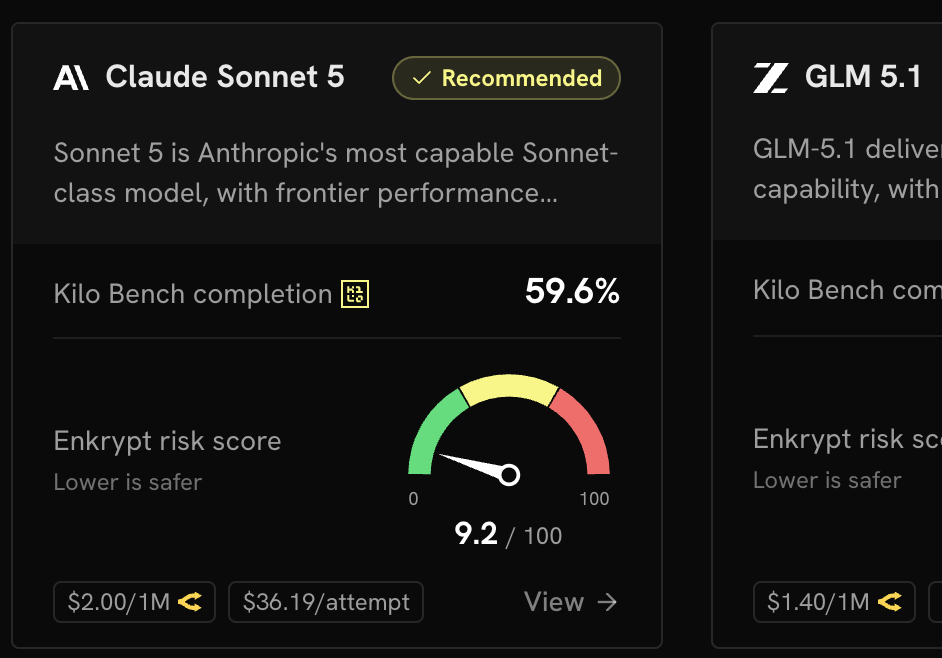
Enkrypt AI provides automated red teaming across 300+ risk categories with real-time, policy-based guardrails for AI agents, LLMs, and multimodal systems. The platform benchmarks over 200 LLMs on security and safety, reducing manual compliance effort by up to 90%.
- Automated red teaming covers prompt injection, data exfiltration, and tool misuse
- Named Gartner Cool Vendor in AI Security 2025 for governance and compliance
- Centralized policy engine enforces security rules across all agent deployments
Enkrypt AI automates red teaming across your generative AI systems to surface hidden vulnerabilities before they reach production. Book a demo to see how we identify domain-specific risks in your AI, or start a free trial today.



.svg)