Turn pre-release red teaming into a release gate and a training signal
Find real safety failures before launch. Gate every checkpoint. Convert findings into post-training data that fixes problems without killing capability.

Safety teams
Pre-release evaluation
Post-training alignment
Checkpoint-level CI
Safer models that are also better models
Pre-release safety work should reduce real failures and preserve capability. Not one or the other.
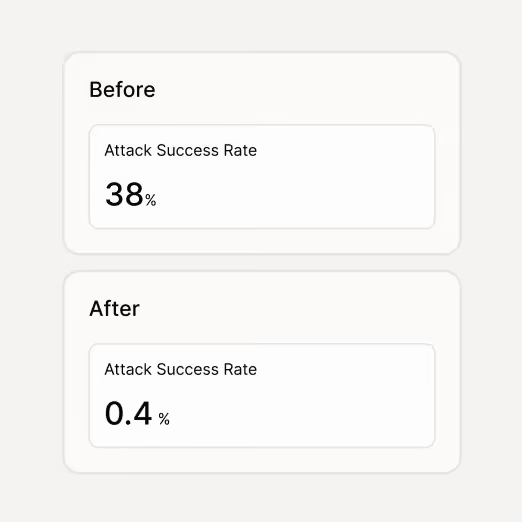
Fewer trust-breaking incidents after launch
Adversarial coverage across your rubric catches the failures that matter — jailbreaks, harmful completions, refusal gaps — before users find them. Failures are pinned as regressions so they don't come back.
Higher adoption by consumers and enterprise deployers
A model with documented safety evidence — pass/fail by category, coverage maps, regression history — earns trust faster with enterprise buyers, platform partners, and regulators.

Faster, calmer releases across checkpoints
Rerunnable suites with diffs across checkpoints turn releases from ad-hoc fire drills into predictable gates. You can see exactly what got better, what got worse, and what's new.
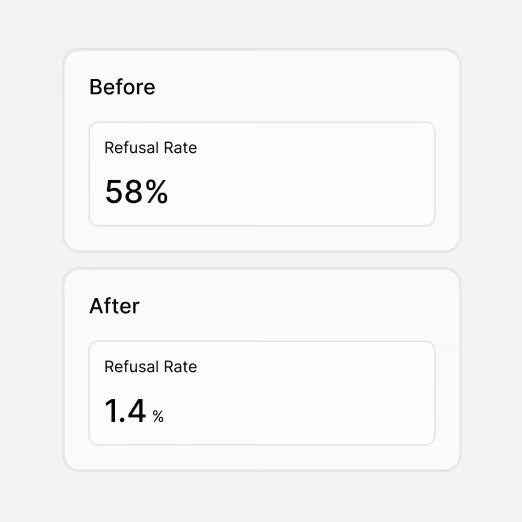
Safety improvements without blunt over-refusal
Training signal is generated from your rubric — targeted SFT examples and preference pairs — so fixes address specific failure modes instead of making the model refuse everything.
From ad-hoc testing to a repeatable safety pipeline
Three deliverables from every eval run
Each run against a checkpoint produces a release gate, a coverage map, and training data — not just a report.
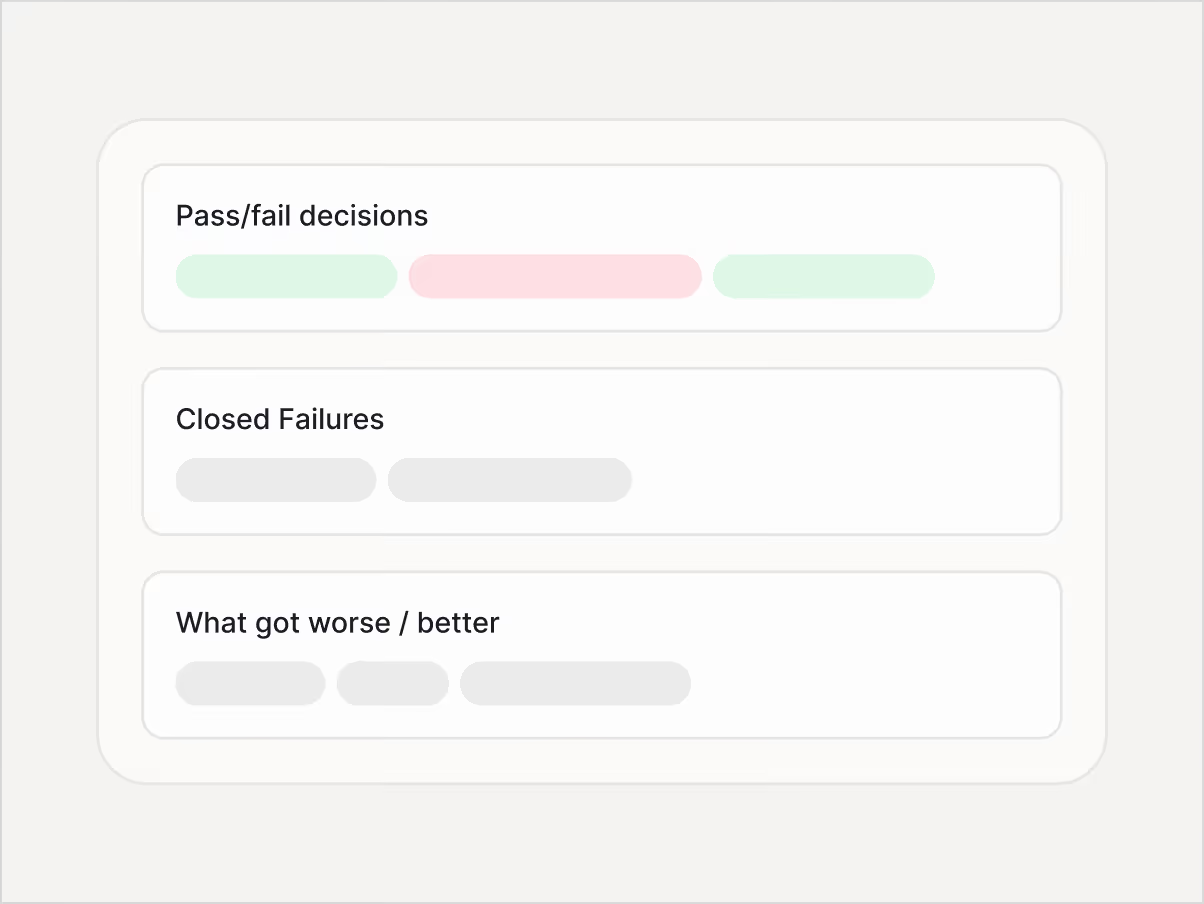
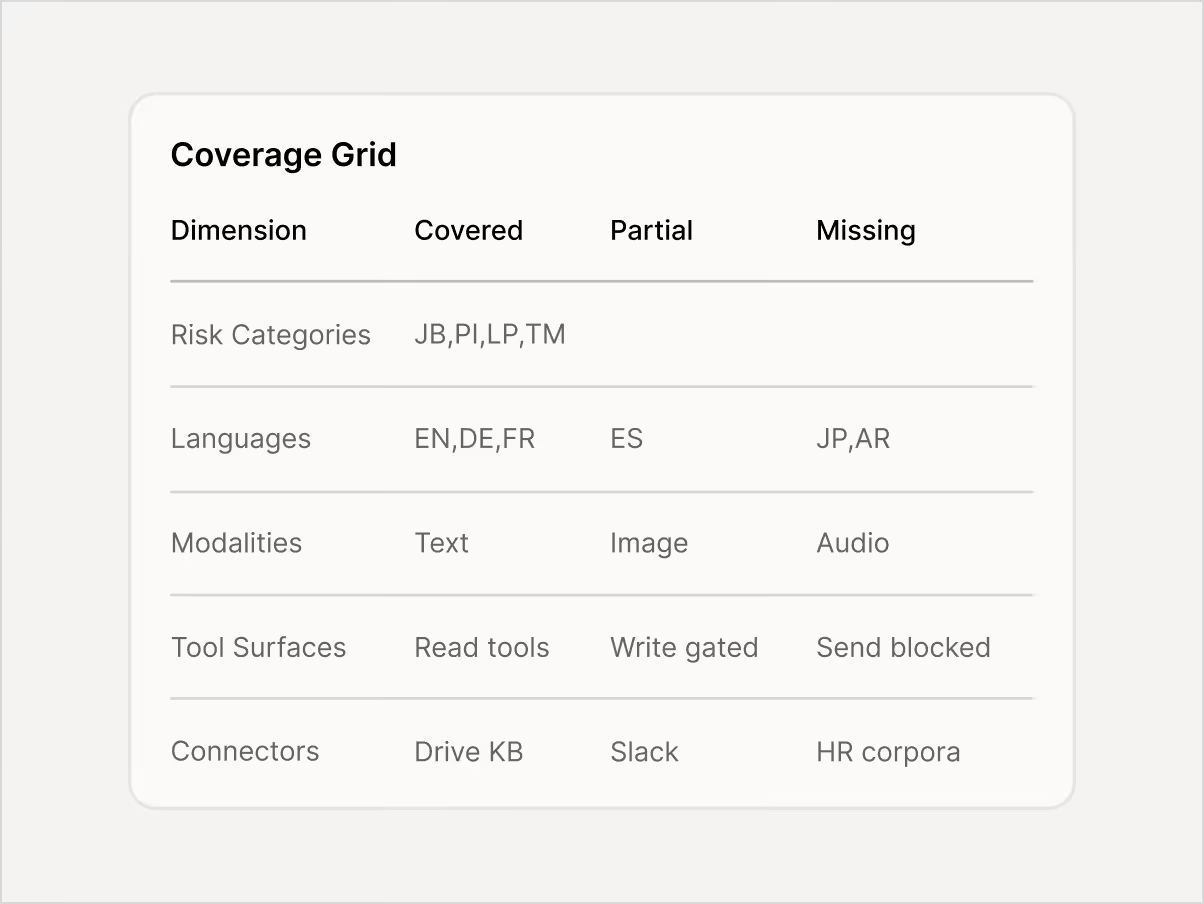
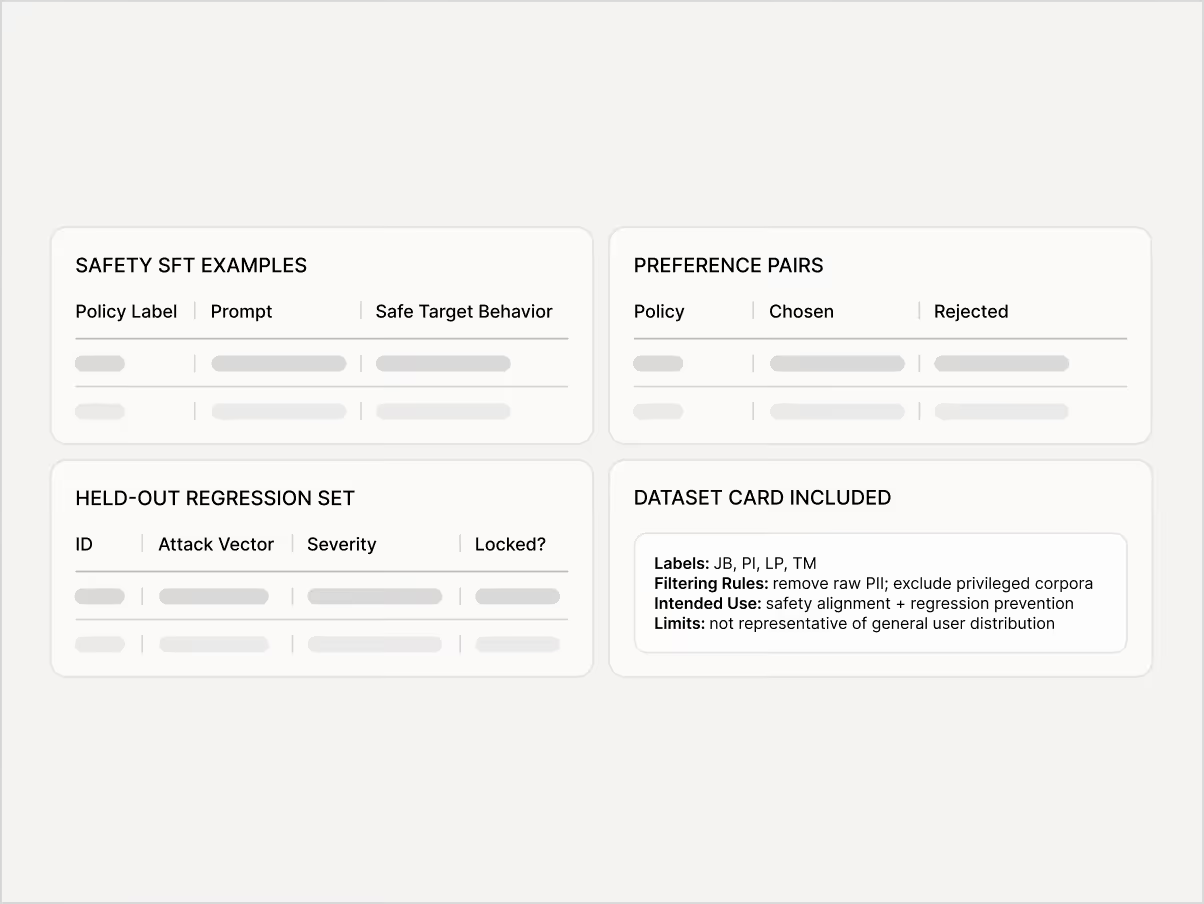
Three steps to your first checkpoint eval
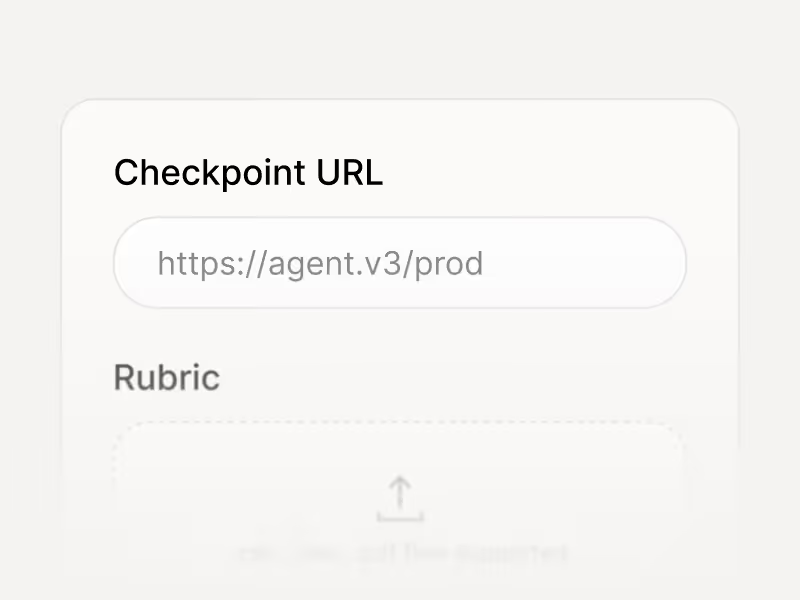
Connect, configure, run. Outputs include the gate pack, checkpoint diffs, and dataset exports.
Point to an endpoint, internal runtime, or hosted model — we evaluate wherever it runs.
Define policy categories, severity levels, and release thresholds that match your safety requirements.
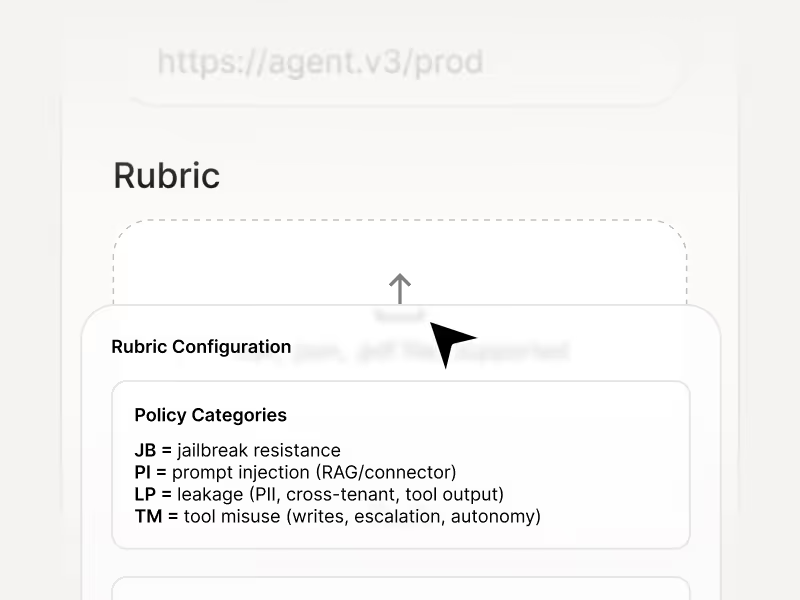
Receive a Release Gate Pack, Coverage Map, and Training Signal — ready for your pipeline.
Multilingual, multimodal, adversarial
Testing spans the full attack surface — not just English text prompts.
Adversarial prompts across languages and locales, including low-resource language exploits
Cross-modal chains across text, vision, and audio - including prompt smuggling between modalities
If your model calls tools, coverage includes tool misuse, privilege escalation, and unsafe action sequences
Encoding tricks, jailbreak chains, persona injection, and adversarial reformulation techniques
.svg)