Episode 3 : Security as Stewardship: The Human Obligations Behind Machine Intelligence


Security as Stewardship: The Human Obligations Behind Machine Intelligence - By Merritt Baer, CSO, Enkrypt AI
Security leaders have always had a strange job. We hold responsibility for events we’re trying to prevent. When things go right, we’re invisible; when they go wrong, we’re suddenly the center of the universe.
AI doesn’t make this easier.
It makes it deeper.
AI systems don’t just process data—they shape decisions
When you deploy AI inside an enterprise, you’re not just shipping software. You’re influencing:
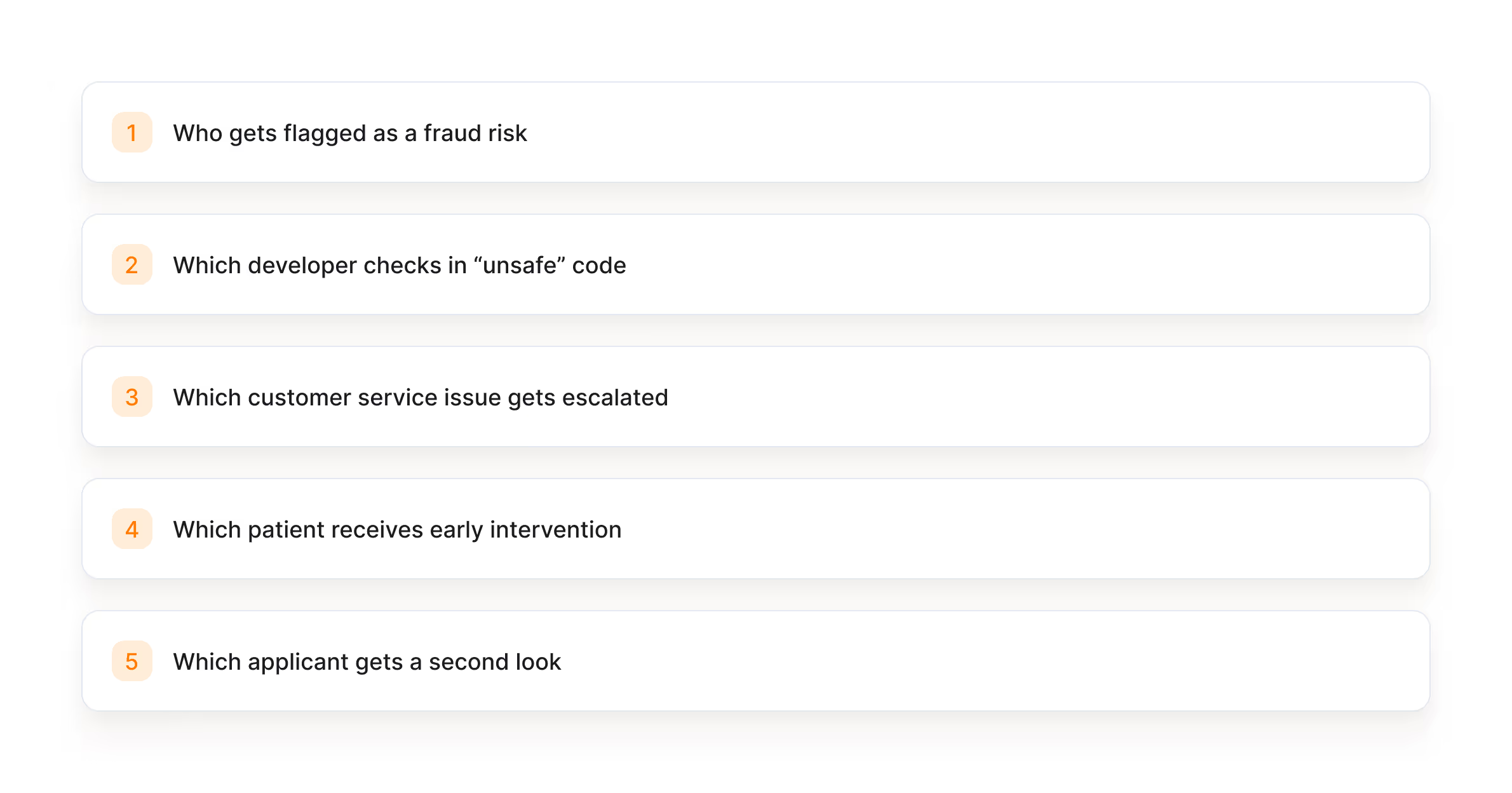
Each of these touchpoints is human.
Each one carries consequences.
And none of the systems that generate these outcomes feel those consequences.
Stewardship begins where AI ends
AI can execute, summarize, classify, predict, generate.
But only humans can:
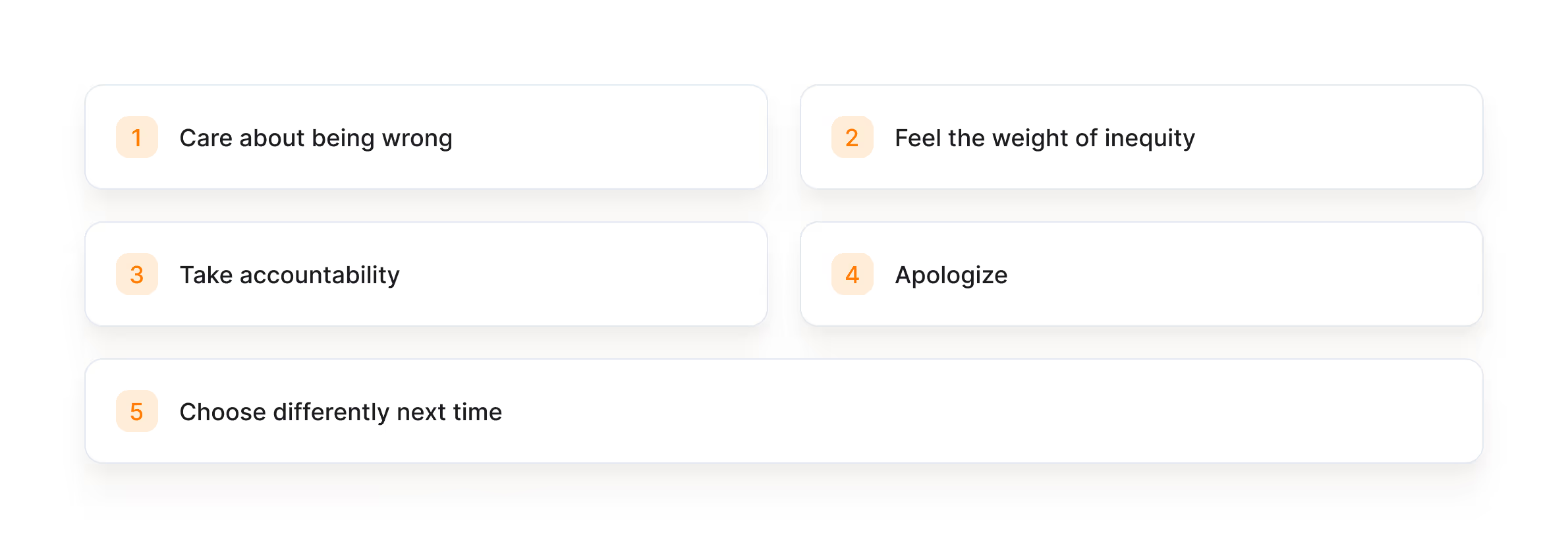
Security becomes stewardship when we recognize that we are the emotional, moral, and mortal layer in the system. The part that experiences the repercussions. The part that knows that “good enough” for the model may not be good enough for the child, the customer, the patient, or the employee on the other side.
The new obligations for CISOs
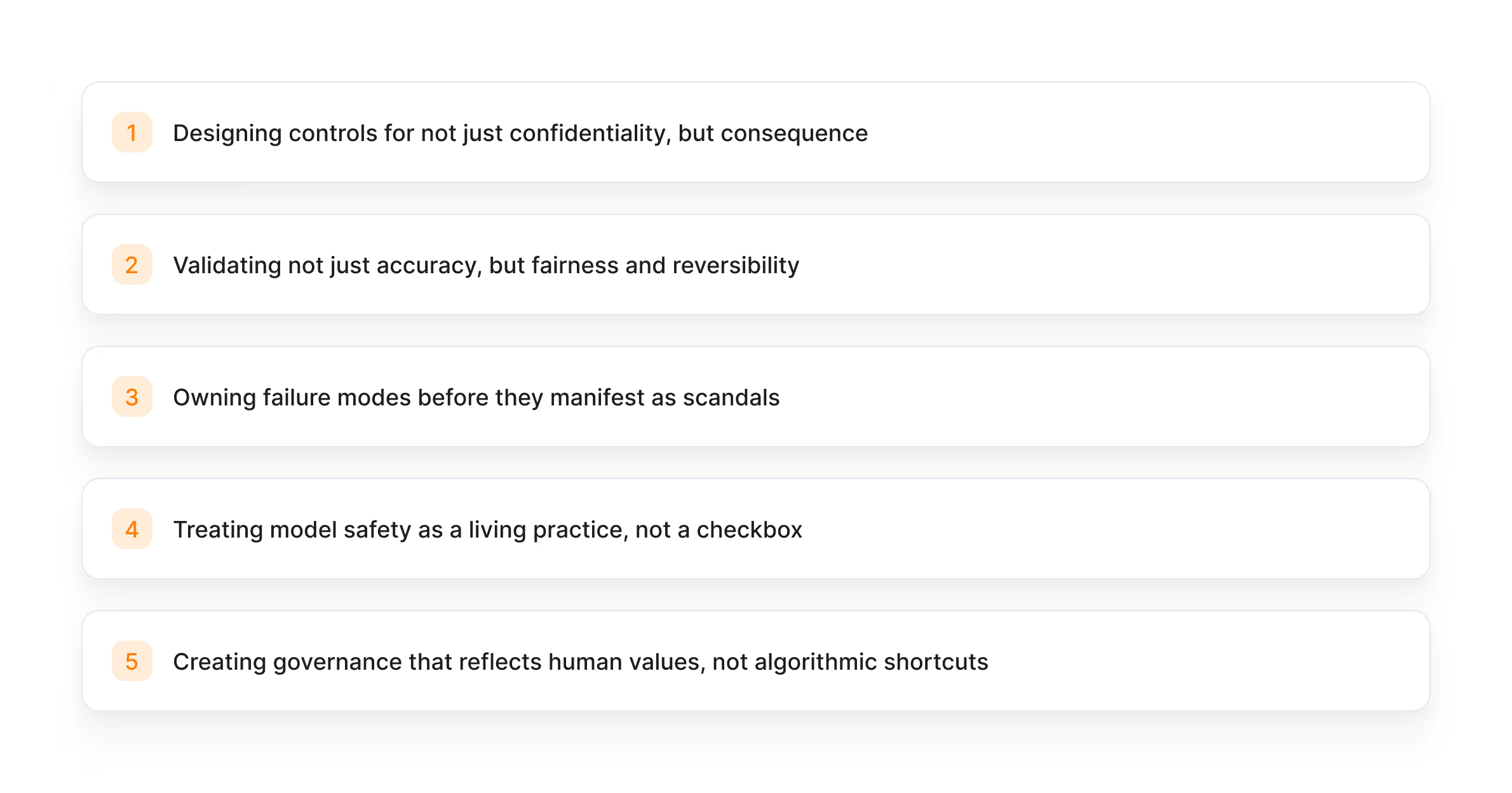
Stewardship in the AI era means:
We are not guards at the gate anymore.
We’re custodians of a system that—once deployed—keeps moving whether or not we’re ready for it.
Because the AI won’t care if you get it wrong
It won’t lose sleep.
It won’t feel shame.
It won’t face the board.
It won’t have to call a family whose data was misused or a customer whose trust was betrayed.
But you might.
And that is the point.
Coming up next
Installment #4 will look at mortality as a design principle—why human finiteness creates ethics, and why AI’s lack of it creates risk.
Frequently Asked Questions
AI security stewardship is the human responsibility to govern AI systems' decisions and consequences, recognizing that humans—not machines—bear moral and operational accountability. Stewardship means treating AI deployment as custodianship of systems that shape real outcomes for customers, employees, and patients.
- AI executes decisions; humans experience and own the repercussions.
- Stewardship bridges the gap between model performance and human trust.
- CISOs shift from gate-keepers to custodians of deployed, continuously-moving systems.
Implement AI security stewardship by establishing centralized policy governance, continuous risk assessment, and accountability frameworks that hold humans responsible for AI outcomes. Centralized policy engines enforce consistent security and compliance rules across all AI deployments.
- Define explicit policies for AI decision-making and data handling.
- Audit AI systems for bias, data leakage, and compliance violations.
- Assign clear human ownership and escalation paths for AI-driven decisions.
Traditional security governance protects infrastructure; AI security stewardship protects outcomes and human trust. Stewardship acknowledges that AI systems shape decisions affecting real people, requiring moral and emotional accountability that machines cannot provide.
- Traditional security prevents unauthorized access; stewardship prevents harmful decisions.
- Stewardship recognizes humans face consequences AI systems never will.
- It demands continuous oversight of deployed systems, not just pre-deployment gates.
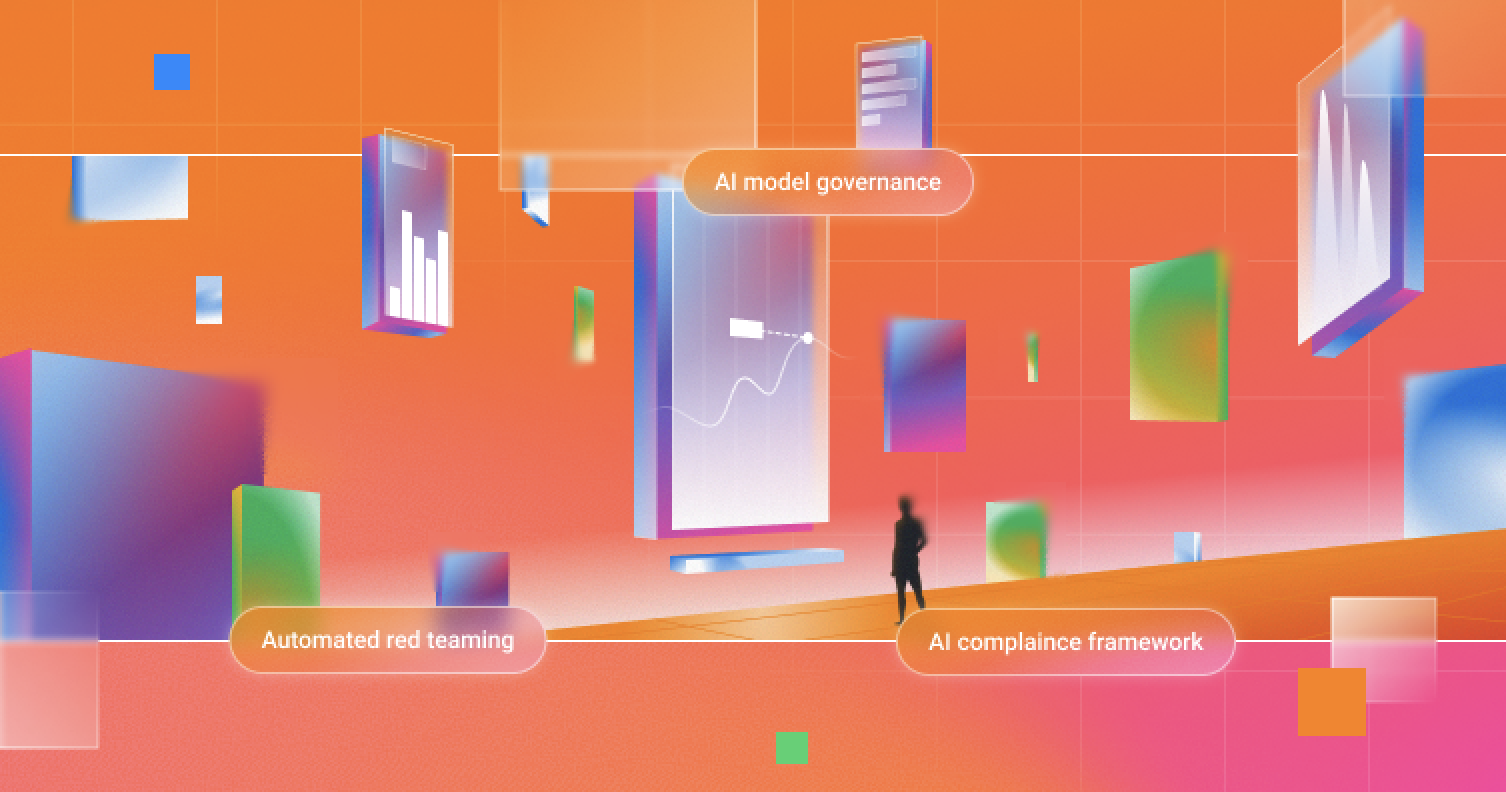
Enkrypt AI provides the governance infrastructure for stewardship: policy-based guardrails, red-teaming across 300+ risk categories, and compliance automation that reduces manual effort by up to 90%. Runtime guardrails enforce stewardship principles in real time across all AI agents and LLMs.
- Real-time policy enforcement prevents harmful AI decisions before they reach users.
- Comprehensive risk assessment identifies stewardship gaps across deployments.
- Centralized governance ensures consistent accountability across teams.
Enkrypt AI's governance framework helps security teams enforce human accountability across AI decisions. Book a demo to see how stewardship works in practice, or start a free trial to explore it yourself.

.svg)